by Mayumi-H | Jul 25, 2012 | From Hell (A Love Story), Short Stories

This week is week 51 over at the 100-Word Challenge for Grown-Ups (WCGU). As Julia says:
The prompt this week is another simple one:
…. the line was drawn ….
As always you have an additional 100 words to add to these 4 making 104 in total.
Last week, I dabbled in a bit of heady romance. But, this week, which will come clear through those hundred words, I decided on something different:
“No Way Back”

image courtesy Favim.com
Aral ducked behind the chaise, grimacing as padauk splinters rained down. These were just kids. Children. They didn’t even know what they were shooting…! “It doesn’t have to go down this way-”
“You came after us!”
More gunfire, and the Riedel collection exploded.
Aral swore. That crystal alone could have bought these rabbits their freedom…not to mention his and Zera’s birthing permit. “Let’s just talk-”
A spatter of bullets made him duck again.
“We’re not going back!”
Aral scowled. They were right: children or no, the line was drawn; no going back, now.
Pulling a breath, Aral primed his rifle. Then, he rushed them.
After talking with another sci-fi writer, I started to think a bit more about my Stowaways characters. I thought the kids on the run needed an adult who could counter their perspective. I don’t like to make straight-out villains, though; I prefer to examine characters in grey rather than black and white. From that discussion came Substantive Aral and his wife, Zera.
There’s more to these characters than what you see here, obviously. But I’d like to know:
What line was drawn for you, for this week’s prompt? And, do these prompts ever make you revisit stories you’d thought abandoned?
by Mayumi-H | Jul 18, 2012 | From Hell (A Love Story), Short Stories
It’s Week 50 for the 100-Word Challenge for Grown-Ups! I’ve only been participating for twenty weeks (you can read my entry for Week 31 here), but I feel like I’ve really learned a lot – and grown as a storyteller – in even that short amount of time, so I’m so grateful for the continued opportunity to participate. Thank you especially to those of you who have been so supportive of my efforts!
But, on to the matter at hand! Julia says, The prompt is:
… the rain turned the road into a river…
You have 100 words to add to the prompt, making 108 in total. Please don’t split the prompt and remember to make a link back here so that others can find us.
Here’s my attempt:
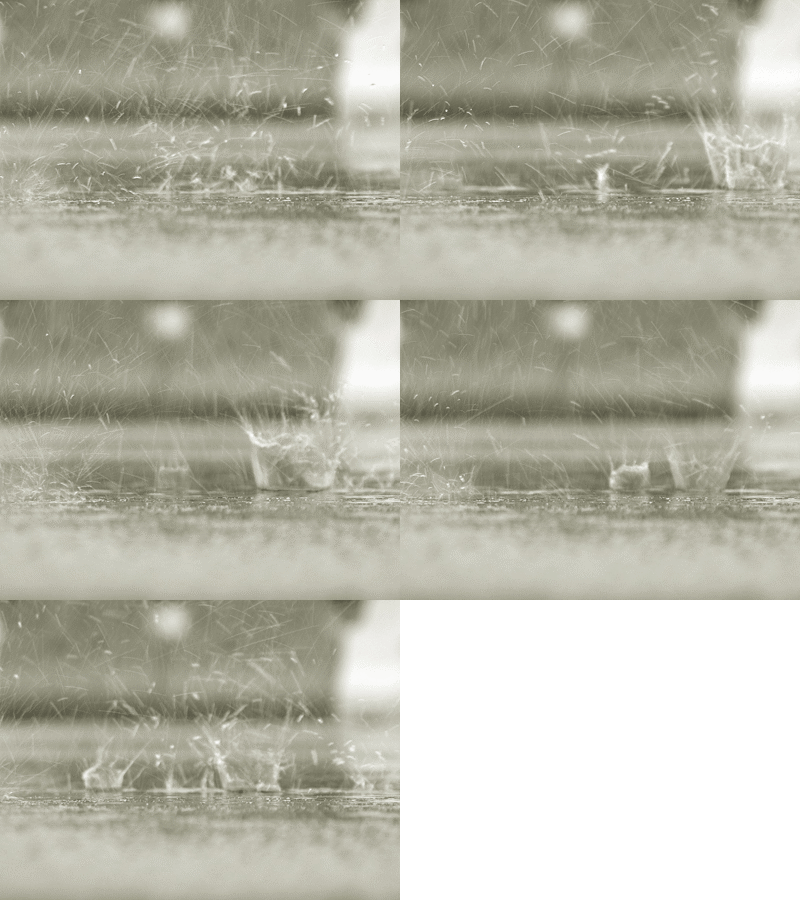
Neither Hell nor High Water
“Come home? I need you.”
Sally’s message made Larry scramble, tossing rushed goodbyes to his mates as he bolted outside. The rain turned the road into a river, but he didn’t care. The sky could go on fire, the earth could belch its dead; nothing would keep him from her.
He’d stripped half-naked before he was even up the stairs, where he immediately swept Sally into his arms for an impassioned, instigating kiss.
She flustered. “What’s this, now?”
Larry shifted back, abruptly stymied. “You said…! Aren’t you…ovulating?”
Sally shook her head. “The water heater’s broken,” she explained.
He flushed hot. “Oh.”
She chuckled, coyly. “But, since you’re here…!”
Prosaic, I know…but I couldn’t help delving into such gentle silliness between a couple of want-to-be parents. I’m sure many of us have been there…!

photo courtesy flickr.com/photos/zokuga/6201265728
Did you get rained out on this week’s prompt? Or did you manage to make your way through the storm?
by Mayumi-H | Jul 16, 2012 | Excerpts, Fearless, Process
In photography and cinematography, forced perspective is a technique that uses optical illusion to make an object look closer/larger or farther away/smaller than it actually is.

But this post is not about that sort of forced perspective.
I like to tell stories from a particular character’s viewpoint. I enjoy sticking with that one character through the chapter (or story), and relating his or her feelings to the reader through events, dialogue, and description. But everything that is seen, heard, or experienced in the story is how it relates to that particular character. An over-the-shoulder perspective, if you will.
I hate narratives that jump around from perspective to perspective – especially within a single chapter! – because it tends to leave me feeling like just an observer, and less invested in what’s happening to those characters. Some writers can get away with this multiple-perspective technique. It’s hard for me, though.
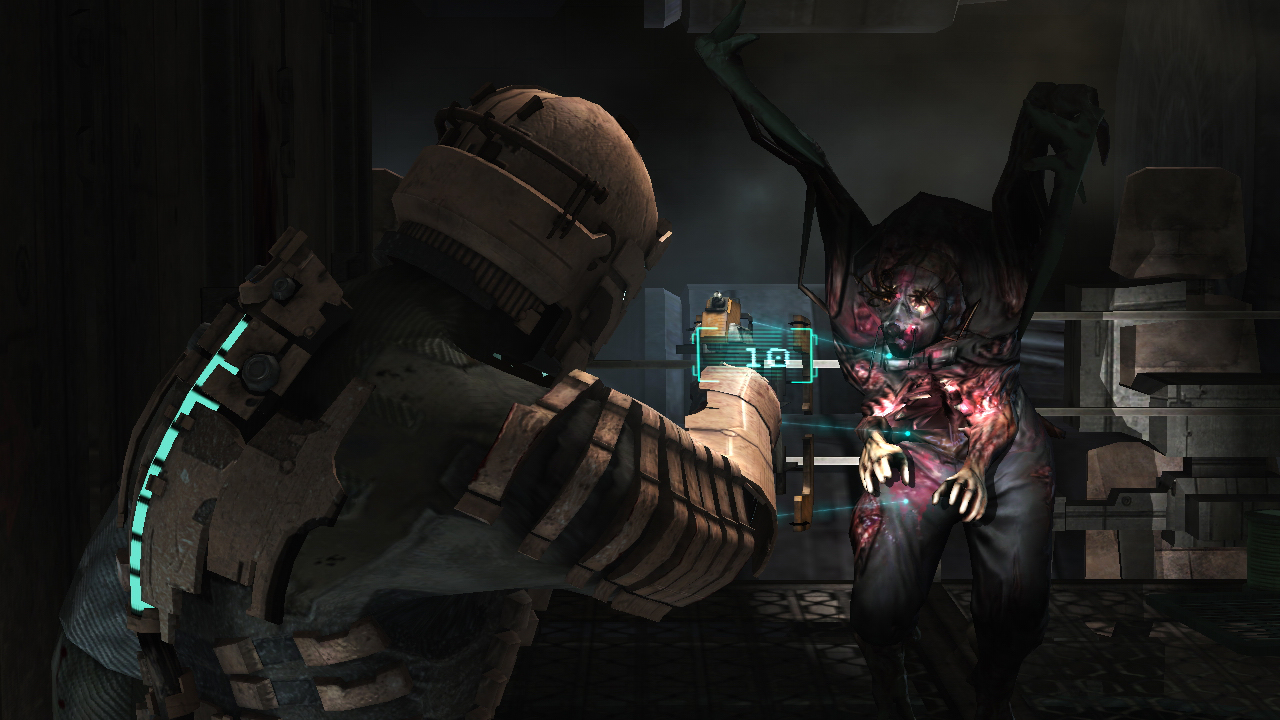
Get invested with your characters. Keep them close.
I like learning about a character through their triumphs and tragedies. Even though I know where that character will end up (usually), I love learning about him or her through telling their story. Perhaps it’s a crutch to fall into the same storytelling style for most of my work, but it’s also what I enjoy.
Here’s an example of what I mean:
She wasn’t the cool, salty sea that had filled his waking and dreaming senses from the moment of his birth, that much was true. She couldn’t slip frictionless through his fingers, or buoy him through careless mistakes that sent him tumbling from his board, or let him glide across her blue depths, like a bird skimming the tips of its wings through the froth.
But then, the sea didn’t warm him on chilled nights. It didn’t smell like jasmine or strawberries or mint, depending on its mood. It didn’t change its taste, either, from cool and creamy, to hot and bitter, and anything in between. And it couldn’t fill his arms, so soft and supple and warm, or cuddle him close in return. Amber was the only one who could do that.
Amber was the only one he wanted to do that.
I don’t think I could tell the same story I want to tell using a different narrative technique. Readers might want to know what’s going on in another character’s head, but I like keeping a bit of mystery. I go through my own life not knowing what other people think. Why not write stories the same way?
What’s your preferred storytelling perspective? Why?
by Mayumi-H | Jul 14, 2012 | From Hell (A Love Story), Uncategorized
I freely admit it: I like the happy.
Many stories dwell on the conflicts that arise from anger, misery, and hate. Those can be very powerful stories, as they resonate with men and women who have felt those same emotions in their own lives. I enjoy those stories, too, at times.
But I have to be honest. I prefer seeing the light, rather than dwelling in the dark.
Many of my stories deal with the darknesses of the human heart: jealousy, fear, vanity, hubris, and more. My protagonists suffer from them, in the way that I’ve suffered and seen people around me suffer from them. But, while that darkness brings a certain necessary drama to stories, I don’t enjoy dwelling in those dim recesses.
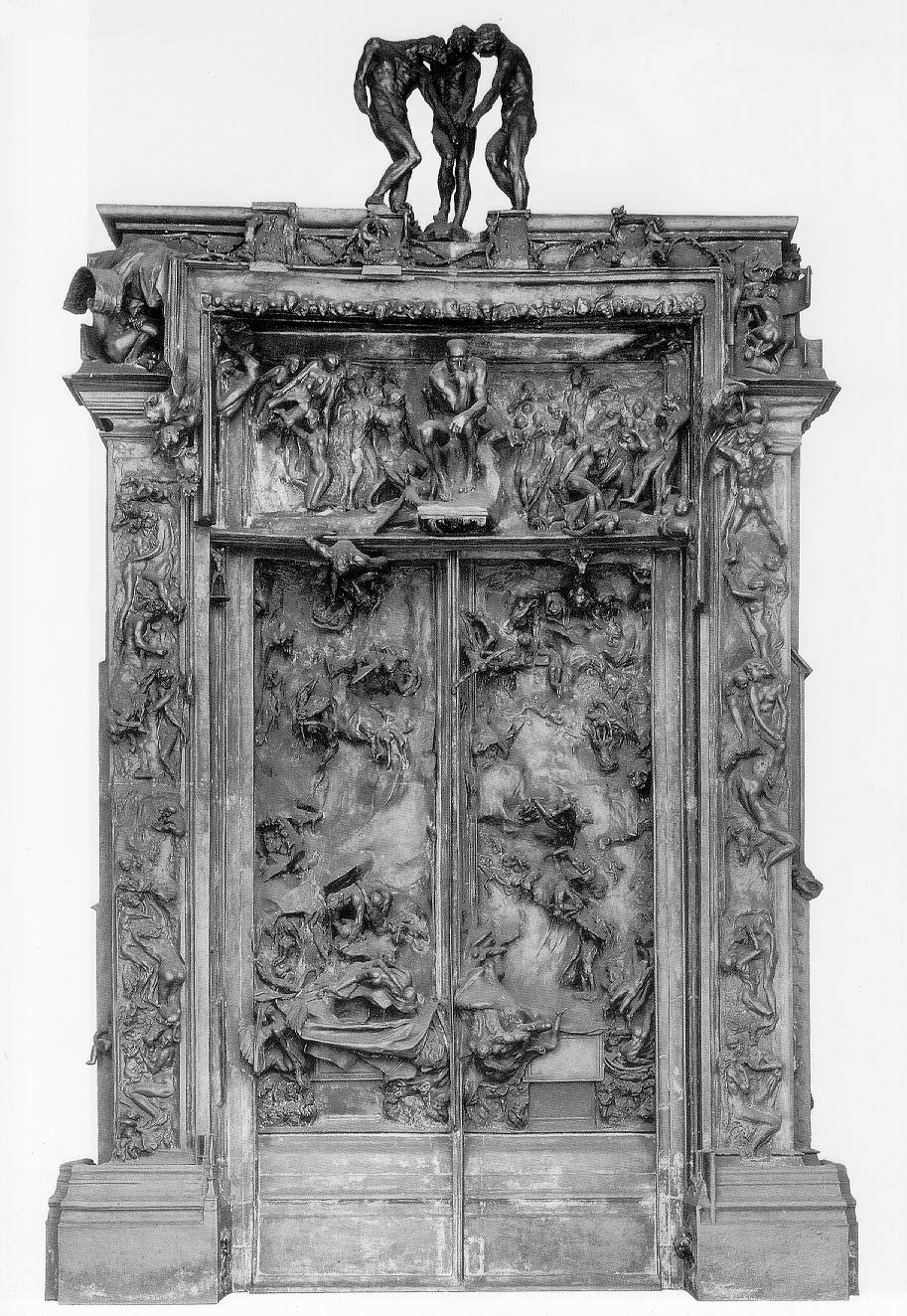
Rodin’s beautiful and frightening _Gates of Hell_ [Public domain]
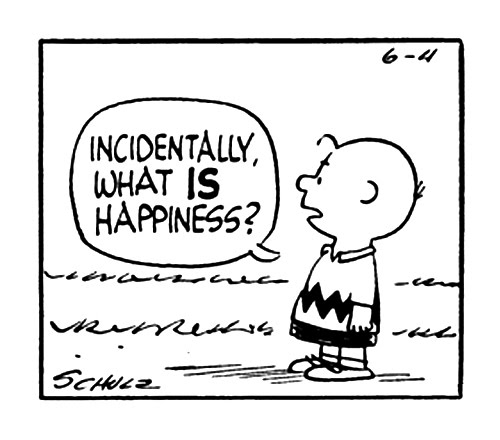
I don’t fit in, in this place.
I’ve been denounced for writing characters who are happy, stories that see the good rather than let the evil swell and overcome. But when you see people you love turn gaunt and ghostlike in a hospital bed, or hear a mother screaming for her child, you don’t want to spend your talent poking through those horrors. You want to give meaning to the losses; you want your characters to overcome their trials, and grow and be happy, even if you couldn’t do.
That’s why I like finding the happy when I put on my writer’s or reader’s glasses: I see enough of sorrow when I take them off and look around the regular world.
by Mayumi-H | Jul 9, 2012 | Excerpts, Fearless, From Hell (A Love Story), Persona 4 Fan Fiction, Process
Warning: I’ve tried to keep it clean, but discussion of mature themes to follow.
“It’s been a while, hasn’t it?” Venus guessed. “Since you two have…been together?”
Ross paused, hand hovering over the electric kettle. “A bit,” he admitted.
She offered him a slow nod, glancing down at the edge of the counter space, where there was a stash of pens and a flip-pad scribbled with future meal notes. “Well, sex shouldn’t be the most important thing in a relationship.”
He shook his head as he filled the kettle with water. “I know that-”
“But it is important,” she said, and here Ross raised his head in quiet surprise.
I’ve never shied away from sexual situations in my stories. I don’t consider a sex scene in and of itself pornographic, though it can certainly be used for that purpose. In most of my stories (as in life), sex is a way for two people to communicate beyond the use of words; the intense intimacy forged by being sexual with another person creates all sorts of interesting conflicts and realizations.
Venus, here, is stating my own opinion: Sex should not be the most important aspect of a relationship. But it is important.

Sexual compatibility can mean different things for different people. A couple with low libidos may have sex once a month…and it will be wonderful every single time. A couple with strong libidos may have sex once a day…and that can be beautiful every single time, too. Relationships are as unique as the people in them, and it’s the part of stories I really enjoy examining.
I like a sex scene to mean something, though. A conflict of interests. A learning experience. A personal enlightenment. Even a casual or detached sex scene can have important meaning for a character, at that moment in the story. I like using all of these approaches to sex in my stories.
What I’ve been enjoying with this latest endeavor, though, is the fade-to-black, or glossing, technique. Sex for its own sake doesn’t do anything for a story; I’ve always agreed with that. But sex also doesn’t have to happen “on-screen” for it to be worthwhile to a character’s or relationship’s development.
For Fearless, let’s say there are four sex scenes that are important for the development of the plot. Does that mean the characters have sex only four times in the story? Hell, no! But, I can show in a paragraph – or a sentence – what’s happening between them, without going into detail. I know what’s going on; the reader knows what’s going on. And I can get to the really important part – the ramifications or repercussions of that sex scene – that much more quickly, than if I delved into the detail.
Some writers and readers don’t like sex in their stories. That’s fine. I do like sex, though, when it means something. Just like in real life.
How do you feel about sex in stories?
by Mayumi-H | Jul 5, 2012 | Short Stories, Songbirds
“The New Girl”
She looked so much like Sally: bright, sparkling eyes; cute, upturned nose; precious pink lips; and dimples, just the barest hint of them, like Sally had when she smiled.
Larry fell in love with her instantly.
“You’re beautiful,” he whispered, stroking gently at the soft round of her cheek. He bent his head and kissed her then, smelling deeply of the sweet scent of her.
“She is,” Sally said.
Larry looked up, into the tired, teary face of his wife. He smiled. “She looks just like you,” he said.
Sally smiled, too. “I was going to say the same thing.”

(image courtesy tscpl.org)
I’ve had such a good time reading new-mummy updates from jennybennyk on Twitter (you can also follow her blog at itsjennythewren), it reminded me of first moments like this, and how your perspective can change of an instant.
Husbands/fathers are especially susceptible to daughters, I think. I know when I met my husband, there was talk that I would always be foremost in his life.
Then our little girls came along.
I don’t mind, though. That loving bond is precious, and I wanted to see if I could capture it a little bit, here, with my Songbirds. (And, to itsjennythewren: Don’t worry if Daddy is starstruck by Baby right now. You’re still Mummy, and that’s a truly special person to be.)
Have you ever been struck by a memory from a Tweet or an update, and pushed to write about it?


Recent Comments