by Mayumi-H | Jul 30, 2012 | Excerpts, Fearless, Process
A friend of mine asked to read my latest project, which happens to be Fearless. I don’t usually share my work with people I trust so early in the game, but I offered him the first two (draft) chapters, mostly just to shut him up.
It didn’t.
What I got back was an earful. He made some good points, but this had to be my favorite critique: The best friend is more likable than the hero. To quote: “Your hero’s a jerk.”
That one actually made me grin. Because yes, he is. But, that’s a big part of the story.
One of the things I love about my main characters is that they’re flawed. Some more than others, of course, but I try to help them all grow. That’s the beautiful thing about heroes and heroines. They’re like you and me (sometimes scarily so), but, over the course of the story, they push themselves to be better people. They don’t always get what they want, but they’re stronger men and women for the effort.
Which is why it’s so much fun to write them as jerks in the beginning:
Ross felt a grin creep to his face. Then he raised his free arm and called out, “Mornin’, Beth!”
Neville clicked his tongue, muttering, “Grow up.”
Ross ignored him, swinging his board up as he approached both fruit and filly. He bent his head, offering the Crispins’ youngest daughter a leering smile. “You look as scrumptious as those apples!” he told her.
Beth laughed and blushed bright red under her kerchief. “Thank you,” she said, her voice mostly squeal.
It took some effort for Ross to keep his smile in place; hopefully, that voice would one day mature as nicely as her tits had already done. Still, he wasn’t interested in her, just the apples, so he offered her a charming flare of his nostrils and asked, “Think you could let us have a taste?”
What do you like best about your main character(s)? Are they the ones who grow over the story, or do they spur the growth in others?
by Mayumi-H | Jul 28, 2012 | Process
With apologies to The Killers.
The history of human communication is an interesting one, from an anthropological perspective. The idea that people told each other stories – to stave off the demons in the dark (or to bring them to life), to explain their visions in the sky, to keep close the triumphs and tragedies of their brethren – has always been lovely to me. I think it’s one of the main reasons why I first tried putting pen to paper, to preserve the ideas in my head, to answer the questions I wanted answered: Who are we? Why do we do the things we do? What hopes exist for us, out there in the vast wilderness?

Photo by Keizers, via Wikimedia Commons
Stories aren’t just about creating characters or putting plots into motion. They’re ways to examine the world around us. Which is why it saddens me to think there are writers, directors, editors, artists out there worried only about the next big thing, ways to capitalize upon the latest trend. People unconcerned about the story,when it’s the story that moves people.
Katniss Everdeen isn’t just a kick-ass fighter; she’s got a story. Batman isn’t just a gritty super-detective; he’s got a story. Henry Jekyll, James T. Kirk, Frodo Baggins, Spike Spiegel: what makes these characters great – frightening, masterful, inspiring, entertaining – is not just what they are but the role they fulfill within the greater story. Without Primrose, who is Katniss? Without his rogues’ gallery, who is Batman? That’s what engages readers and followers: the story around those characters and their world.
I tell stories I want to tell. It’s one of the reasons I’m so horrible at collaboration, I suppose. But the storyteller needs to create worlds that interest him. She needs to (try to) answer those questions weighing on her mind. He needs to fall in love – at least a little bit – with his story. We can put the manuscripts away when they’re done, but I think we’ve got to pay attention to more than just the cookie cutter basics that have been made popular.
Do you agree? When it comes to your latest/current work, what is it about it that drives you to tell that story?
by Mayumi-H | Jul 21, 2012 | Uncategorized
Back when I was writing fan stories, I was very concerned about hit statistics. I would check my hit meters every day, and, if I didn’t match my numbers from the day prior, I’d get a little depressed, or I’d worry about why I was “losing readers.” Was I not making them happy? Were they bored with my story? What had I done wrong? I’d wring my hands over this nonsense, even though – rationally – I knew the numbers meant nothing. I could get 150 hits in a day…but it’s not like anyone would ever leave me any feedback, which was what I really wanted.
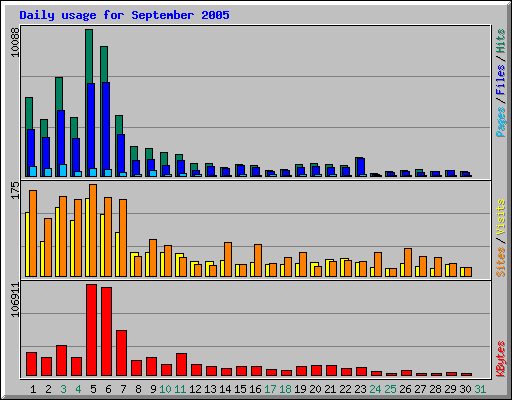
A typical hit stats graph
I still check my hit statistics on posts and stories, but I’ve become so much less affected by them. If a story or post goes days without garnering any interest, I feel a little sad, mostly because I think of my stories as part of myself. And I don’t particularly enjoy feeling neglected. But then I’ll look at another piece that gets a lot of hits, but very little feedback, and I’ll be reminded that it’s not the numbers that make me feel fulfilled.
It’s not important how many people glance through a post or a story. What’s important to me is when I’ve made someone laugh, or cry, or reflect a little on their own lives, with my words. And if they take a moment to let me know that my story affected them in some way? That’s one of the best feelings in the world. I’d much rather have one person be genuinely touched by my story, than a hundred or even a thousand who just take a glance and feel nothing.
Some people will tell you that hits are valuable: essentially, they’re a measure of your success. Others will tell you that hits mean nothing. I’m here to tell you that – in my experience, at least – hits can represent popularity and how successful you are with reaching your audience…but they truly don’t matter, so long as you love what you’re doing.
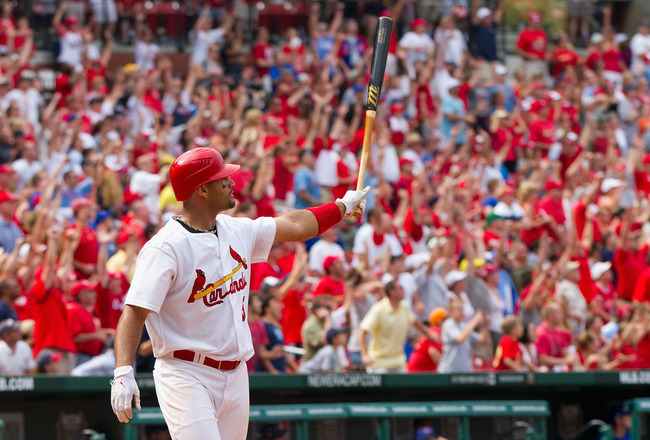
Which would you rather: get the hits, or love what you do?
What are your feelings on hit statistics?
by Mayumi-H | Jul 16, 2012 | Excerpts, Fearless, Process
In photography and cinematography, forced perspective is a technique that uses optical illusion to make an object look closer/larger or farther away/smaller than it actually is.
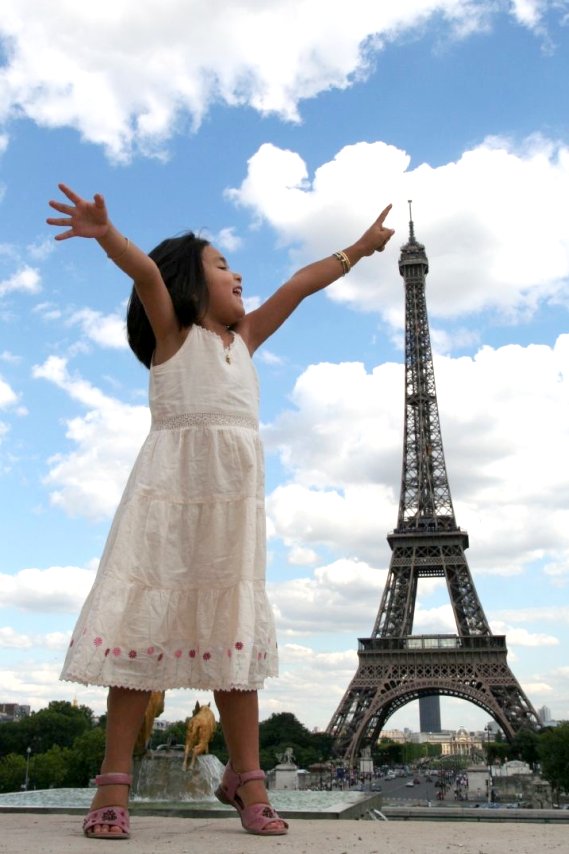
But this post is not about that sort of forced perspective.
I like to tell stories from a particular character’s viewpoint. I enjoy sticking with that one character through the chapter (or story), and relating his or her feelings to the reader through events, dialogue, and description. But everything that is seen, heard, or experienced in the story is how it relates to that particular character. An over-the-shoulder perspective, if you will.
I hate narratives that jump around from perspective to perspective – especially within a single chapter! – because it tends to leave me feeling like just an observer, and less invested in what’s happening to those characters. Some writers can get away with this multiple-perspective technique. It’s hard for me, though.
Get invested with your characters. Keep them close.
I like learning about a character through their triumphs and tragedies. Even though I know where that character will end up (usually), I love learning about him or her through telling their story. Perhaps it’s a crutch to fall into the same storytelling style for most of my work, but it’s also what I enjoy.
Here’s an example of what I mean:
She wasn’t the cool, salty sea that had filled his waking and dreaming senses from the moment of his birth, that much was true. She couldn’t slip frictionless through his fingers, or buoy him through careless mistakes that sent him tumbling from his board, or let him glide across her blue depths, like a bird skimming the tips of its wings through the froth.
But then, the sea didn’t warm him on chilled nights. It didn’t smell like jasmine or strawberries or mint, depending on its mood. It didn’t change its taste, either, from cool and creamy, to hot and bitter, and anything in between. And it couldn’t fill his arms, so soft and supple and warm, or cuddle him close in return. Amber was the only one who could do that.
Amber was the only one he wanted to do that.
I don’t think I could tell the same story I want to tell using a different narrative technique. Readers might want to know what’s going on in another character’s head, but I like keeping a bit of mystery. I go through my own life not knowing what other people think. Why not write stories the same way?
What’s your preferred storytelling perspective? Why?
by Mayumi-H | Jul 14, 2012 | From Hell (A Love Story), Uncategorized
I freely admit it: I like the happy.
Many stories dwell on the conflicts that arise from anger, misery, and hate. Those can be very powerful stories, as they resonate with men and women who have felt those same emotions in their own lives. I enjoy those stories, too, at times.
But I have to be honest. I prefer seeing the light, rather than dwelling in the dark.
Many of my stories deal with the darknesses of the human heart: jealousy, fear, vanity, hubris, and more. My protagonists suffer from them, in the way that I’ve suffered and seen people around me suffer from them. But, while that darkness brings a certain necessary drama to stories, I don’t enjoy dwelling in those dim recesses.
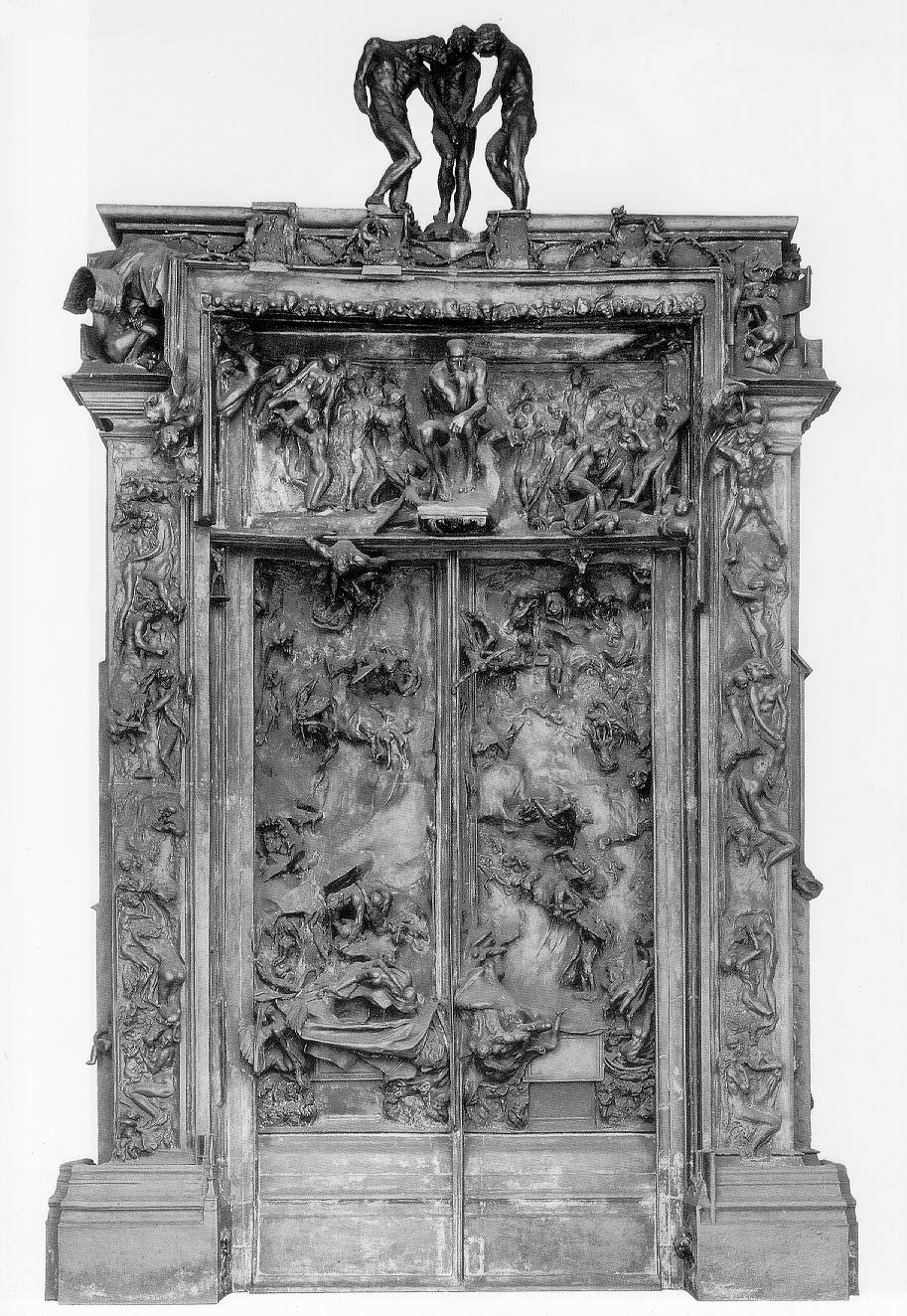
Rodin’s beautiful and frightening _Gates of Hell_ [Public domain]
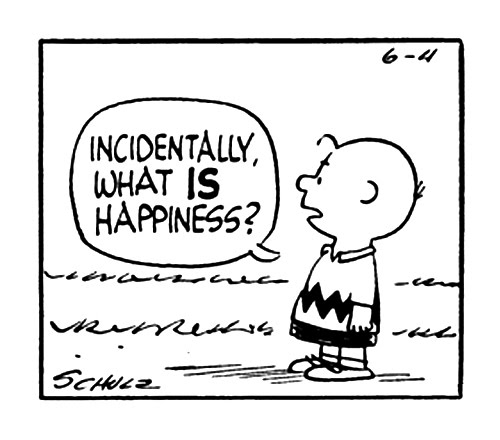
I don’t fit in, in this place.
I’ve been denounced for writing characters who are happy, stories that see the good rather than let the evil swell and overcome. But when you see people you love turn gaunt and ghostlike in a hospital bed, or hear a mother screaming for her child, you don’t want to spend your talent poking through those horrors. You want to give meaning to the losses; you want your characters to overcome their trials, and grow and be happy, even if you couldn’t do.
That’s why I like finding the happy when I put on my writer’s or reader’s glasses: I see enough of sorrow when I take them off and look around the regular world.

![Brocken Inaglory [CC-BY-SA-3.0 (http://creativecommons.org/licenses/by-sa/3.0) or GFDL (http://www.gnu.org/copyleft/fdl.html)], via Wikimedia Commons](http://commons.wikimedia.org/wiki/File%3AFalling_surfer.jpg)


Recent Comments